Next-Gen Robotics: AI Integration Accelerates Autonomous Capabilities
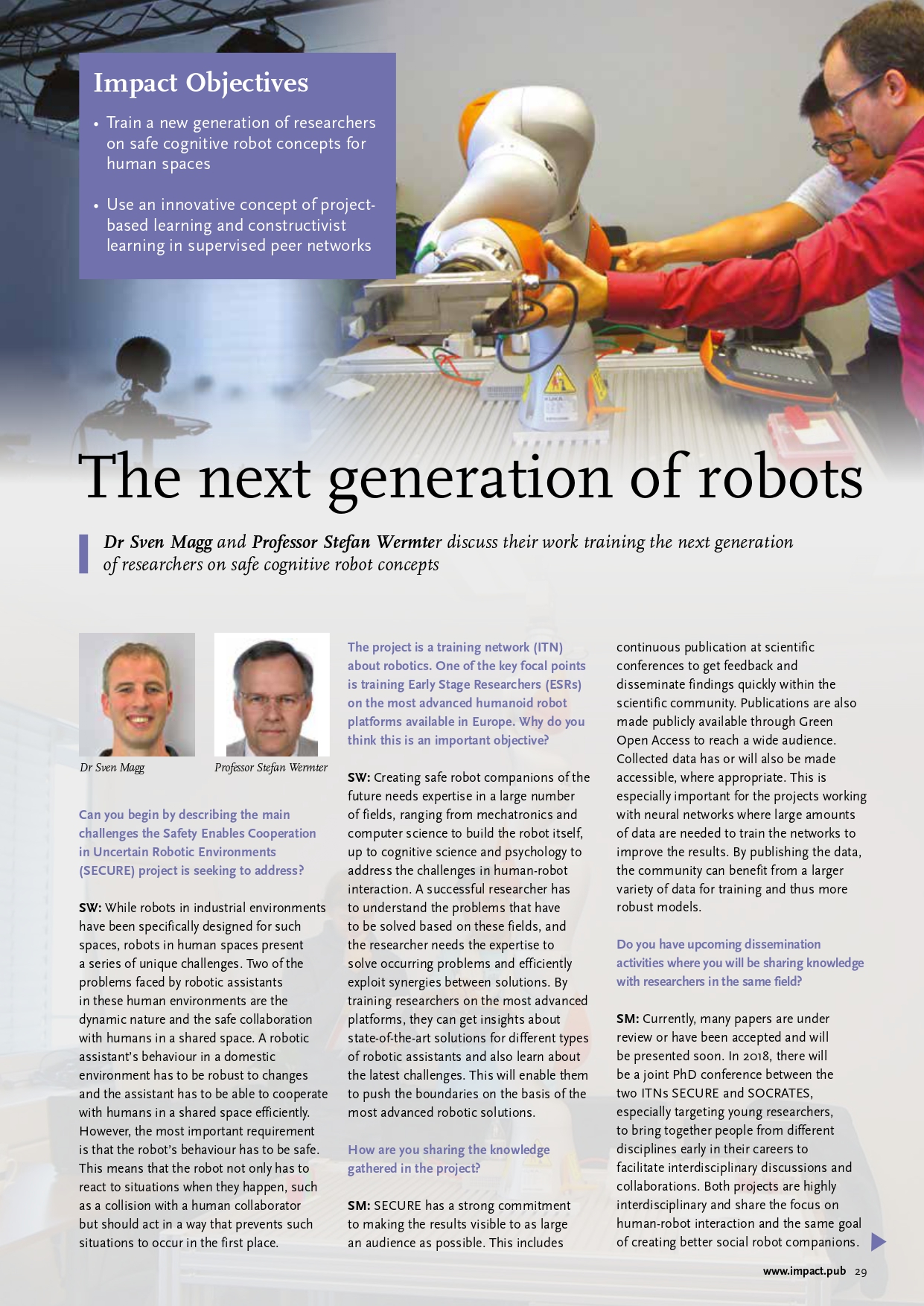
Robotics engineering has entered an era of rapid progression as breakthroughs in AI integration deliver unprecedented autonomy. Rather than relying on rigid pre-programmed instructions, next-generation robotic systems are powered by neural network policies that allow them to learn, adapt, and make decisions dynamically in real-world scenarios.
From dexterous assembly line operations to clinical healthcare settings, these systems excel at handling variable, unstructured tasks. By processing inputs from spatial sensors and multi-spectral cameras, robots can manipulate delicate instruments, sort complex parts, and collaborate with human teams safely.
For instance, in manufacturing centers, automated mobile assistants can map building layouts, identify production blocks, and transport parts autonomously. In medical logistics, smart assistants deliver sterile tools, monitor patient vitals, and assist staff with heavy movement, reducing fatigue and boosting efficiency.
Safety and ethics are core priorities in development frameworks. As robots gain physical capability, safety safeguards, standard testing parameters, and human-in-the-loop overrides are being standardized to prevent accidents and build consumer trust.
Looking forward, the synergy of artificial intelligence and physical robotics promises to reshape industrial production and daily service. As systems become more adaptive and affordable, autonomous robotics will serve as essential support pillars across global supply chains.